H12-831_V1.0 Exam Dumps - HCIP-Datacom-Advanced Routing & Switching Technology V1.0
Searching for workable clues to ace the Huawei H12-831_V1.0 Exam? You’re on the right place! ExamCert has realistic, trusted and authentic exam prep tools to help you achieve your desired credential. ExamCert’s H12-831_V1.0 PDF Study Guide, Testing Engine and Exam Dumps follow a reliable exam preparation strategy, providing you the most relevant and updated study material that is crafted in an easy to learn format of questions and answers. ExamCert’s study tools aim at simplifying all complex and confusing concepts of the exam and introduce you to the real exam scenario and practice it with the help of its testing engine and real exam dumps
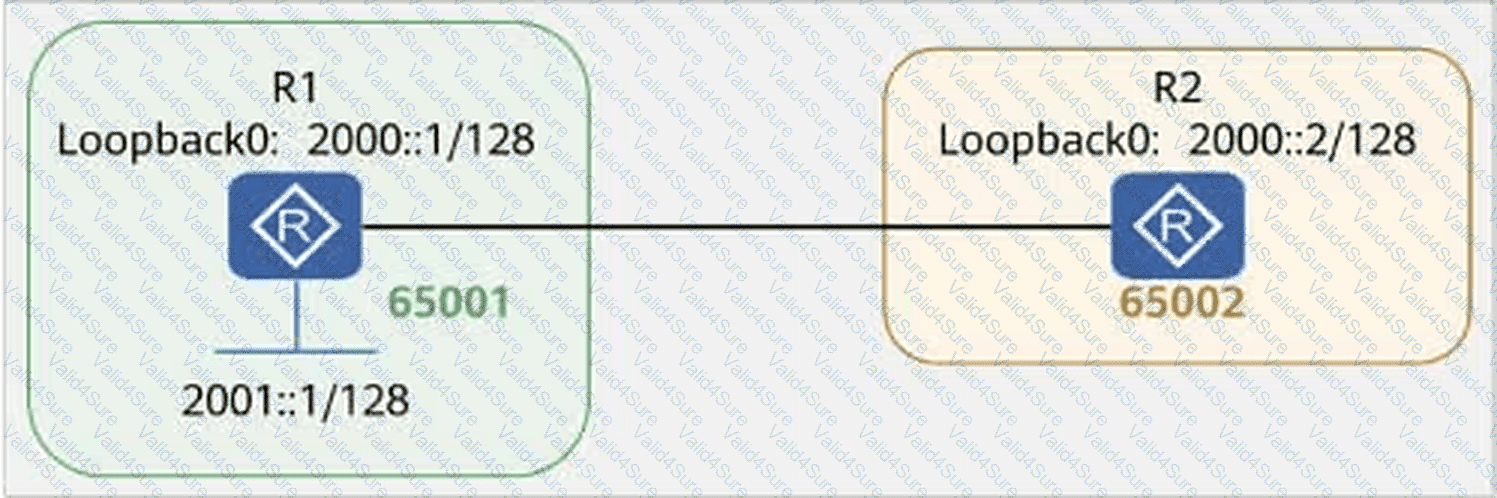
On the network shown in the figure, R1 and R2 have established an EBGP peer relationship through Loopback0. R1 imports the route 2001::1/128 to BGP. In Update messages sent by R1, the value of the Next Hop field in the MP_REACH_NLRI attribute is 2000::1.
On a BGP/MPLS IP VPN network, CEs at two sites need to establish MP-BGP peer relationships to transmit VPN routes.
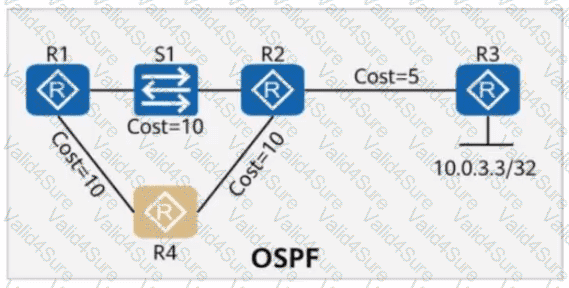
On the OSPF network shown in the figure, the cost values of links are marked, and OSPF IP FRR is enabled on R1. Which of the following statements are true?
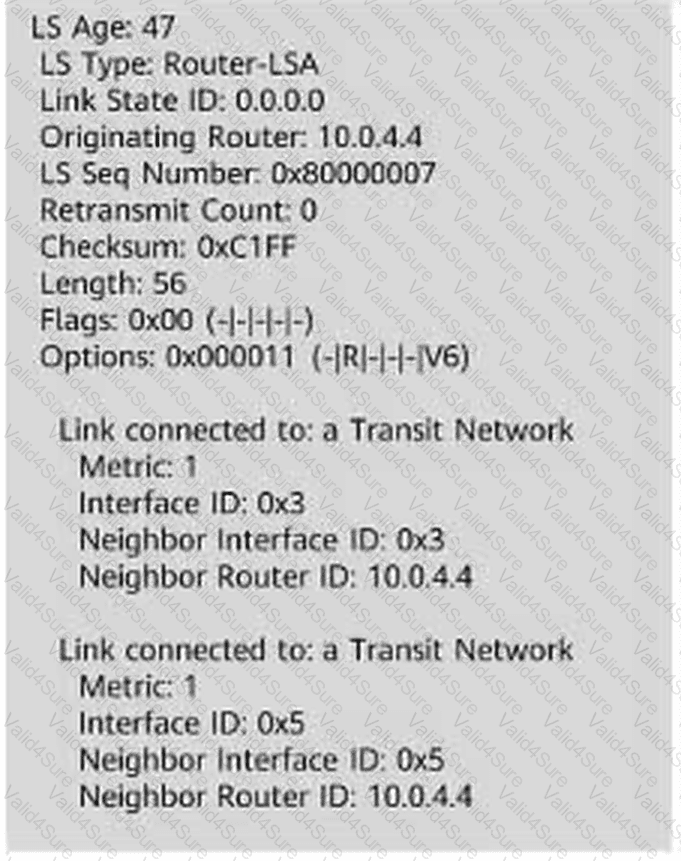
The router ID of R1 is 10.0.1.1. The LSA shown in the figure is displayed in the LSDB of R1. Which of the following statements is false about the LSA?
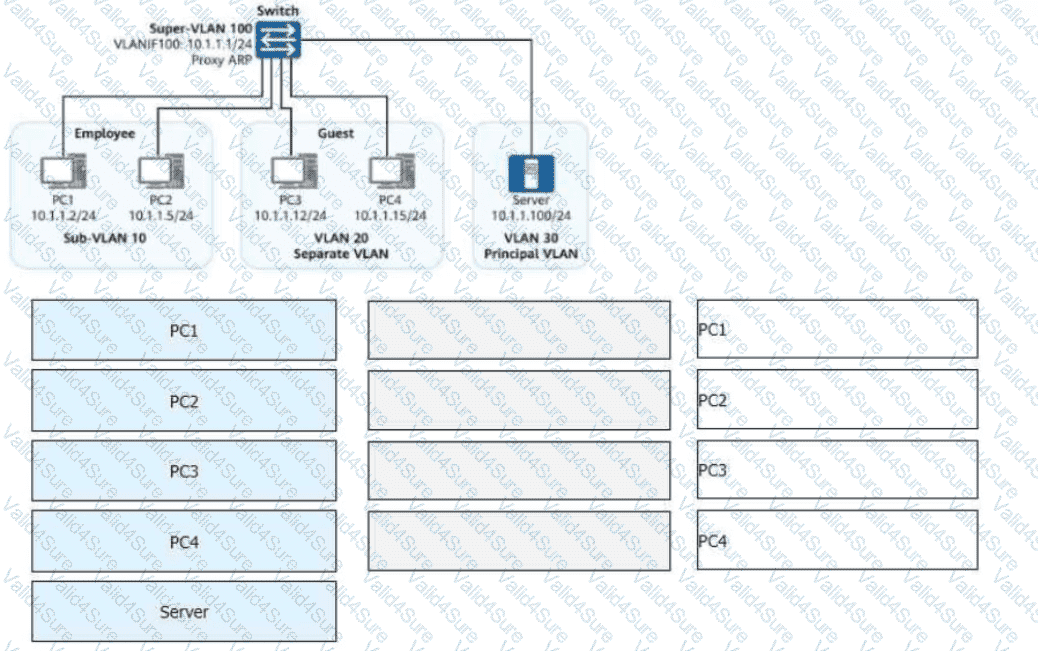
Both VLAN aggregation and MUX VLAN are deployed on the enterprise network shown in the figure.
All switch interfaces connected to terminals are access interfaces.
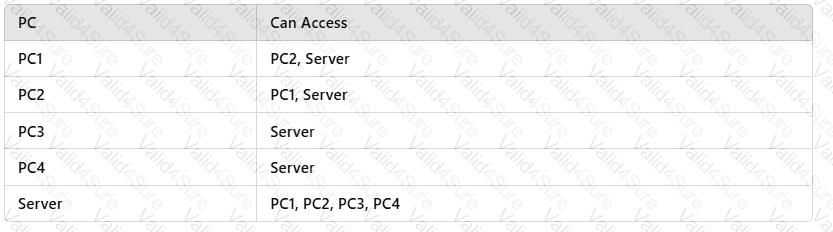
Given this, match PC1 to PC4 with the hosts or servers they can access on the network.
(Note: A host cannot be matched with itself. For example, PC1 cannot match PC1. Tokens can be reused.)
On the network shown in the figure, SW3 is the user gateway and DHCP relay agent.
The administrator plans to configure DHCP snooping on SW3 to prevent DHCP attacks.
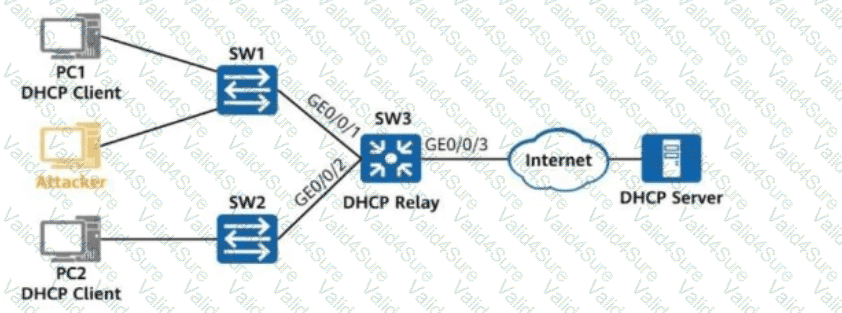
Which of the following commands does not need to be configured on SW3?
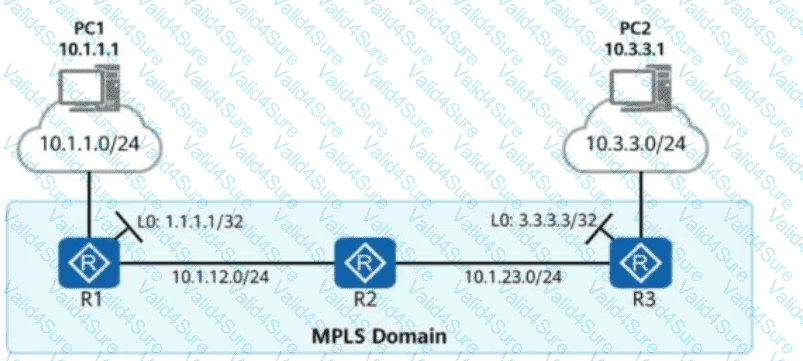
On the network shown in the figure, an administrator first completes the routing configuration and then enables MPLS and LDP on R1, R2, and R3 and their interconnected interfaces. In this manner, traffic from PC1 to PC2 can be forwarded based on MPLS. Which of the following routing configurations can implement this function?
Options:
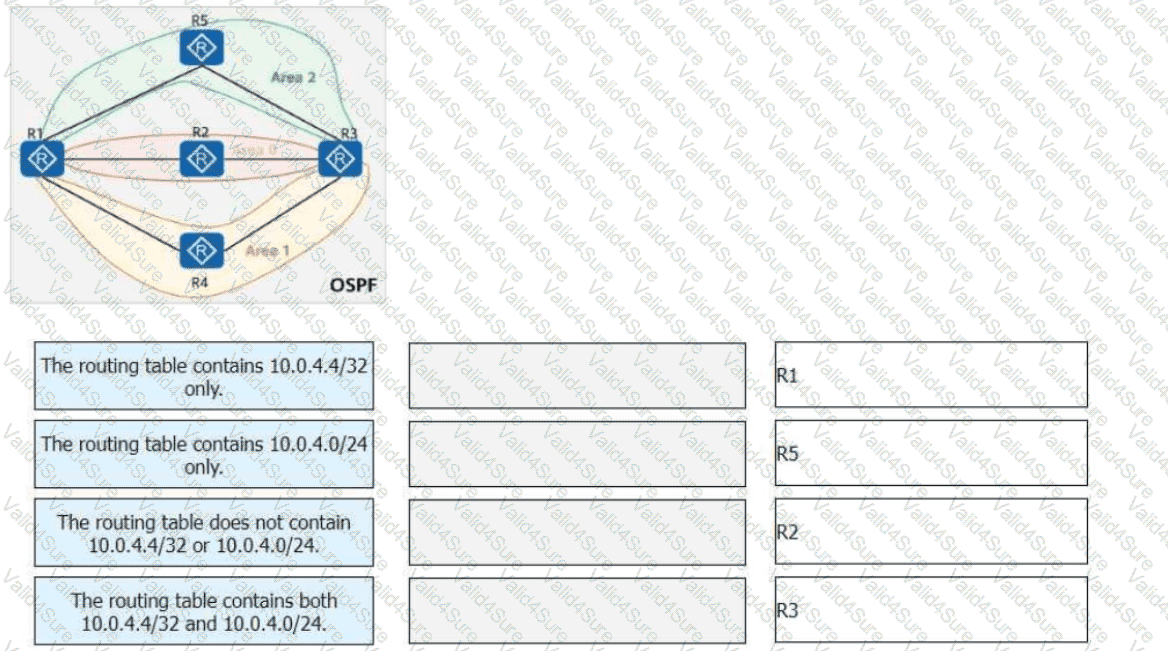
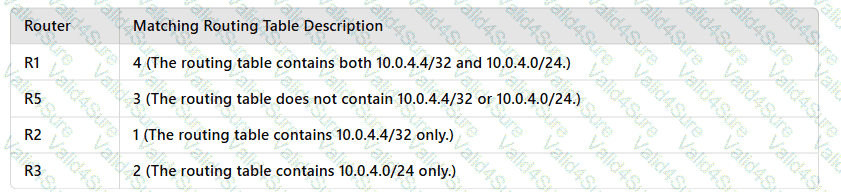
On the OSPF network shown in the figure, area 1 is an NSSA, area 2 is a stub area, and R4 imports an external route 10.0.4.4/32. The router ID of each router is 10.0.X.X, where X is the router number. The asbr-summary 10.0.4.0 255.255.255.0 command is configured in the OSPF processes of R1 and R3.
Match the following descriptions of routing tables with the corresponding routers: